
History of Hotham
At the heart of Putney since 1908
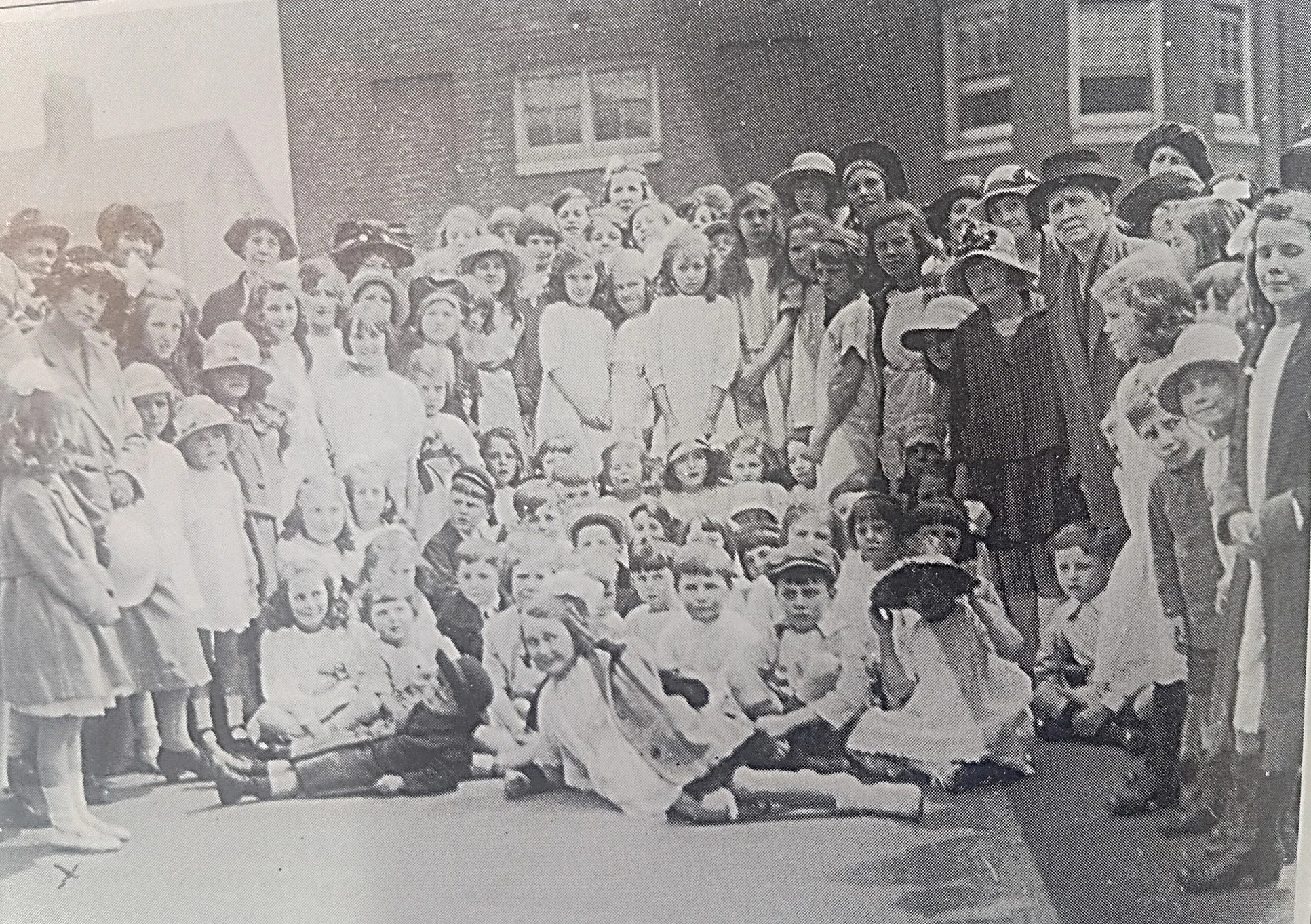
Originally built in 1908, and opened on 22nd October 1909, Hotham is a traditional three-storey London School. It was built to serve the expanding Putney neighbourhood and has always been a community school, open to all.
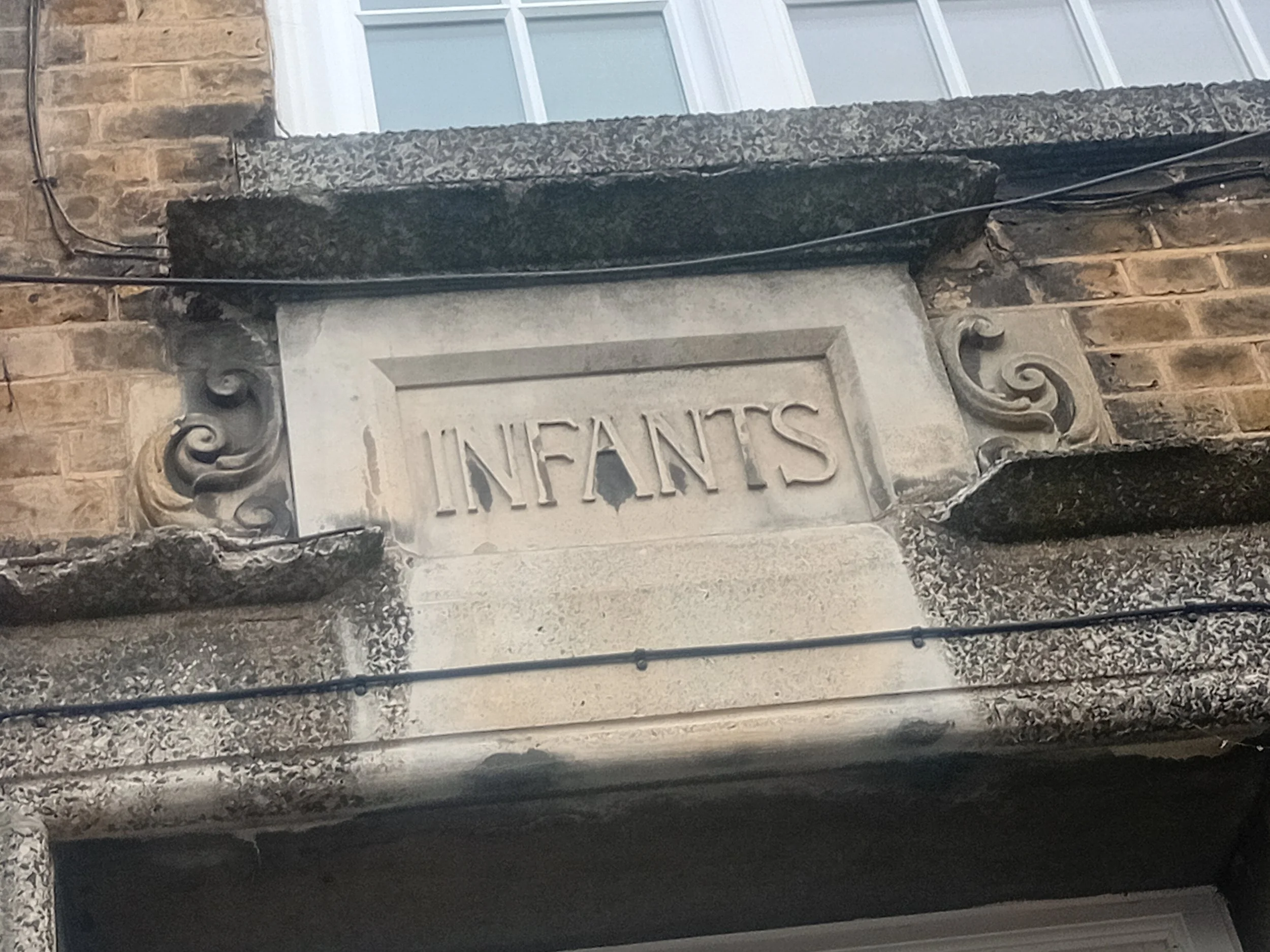
First known as ‘Hotham Road Schools’, it contained separate infants, junior girls and junior boys sections, known as ‘departments’, each with its own headteacher. The infants were mixed but the older boys and girls were strictly segregated, having separate entrances, separate playgrounds and even separate staircases. You can still see evidence of this around the school today, with signs carved above doors and gates, and the original playground wall which separated the boys and girls. By 1935, Hotham had a huge 1145 pupils on roll, with around 350 pupils in each department, and up to 45 in a class.
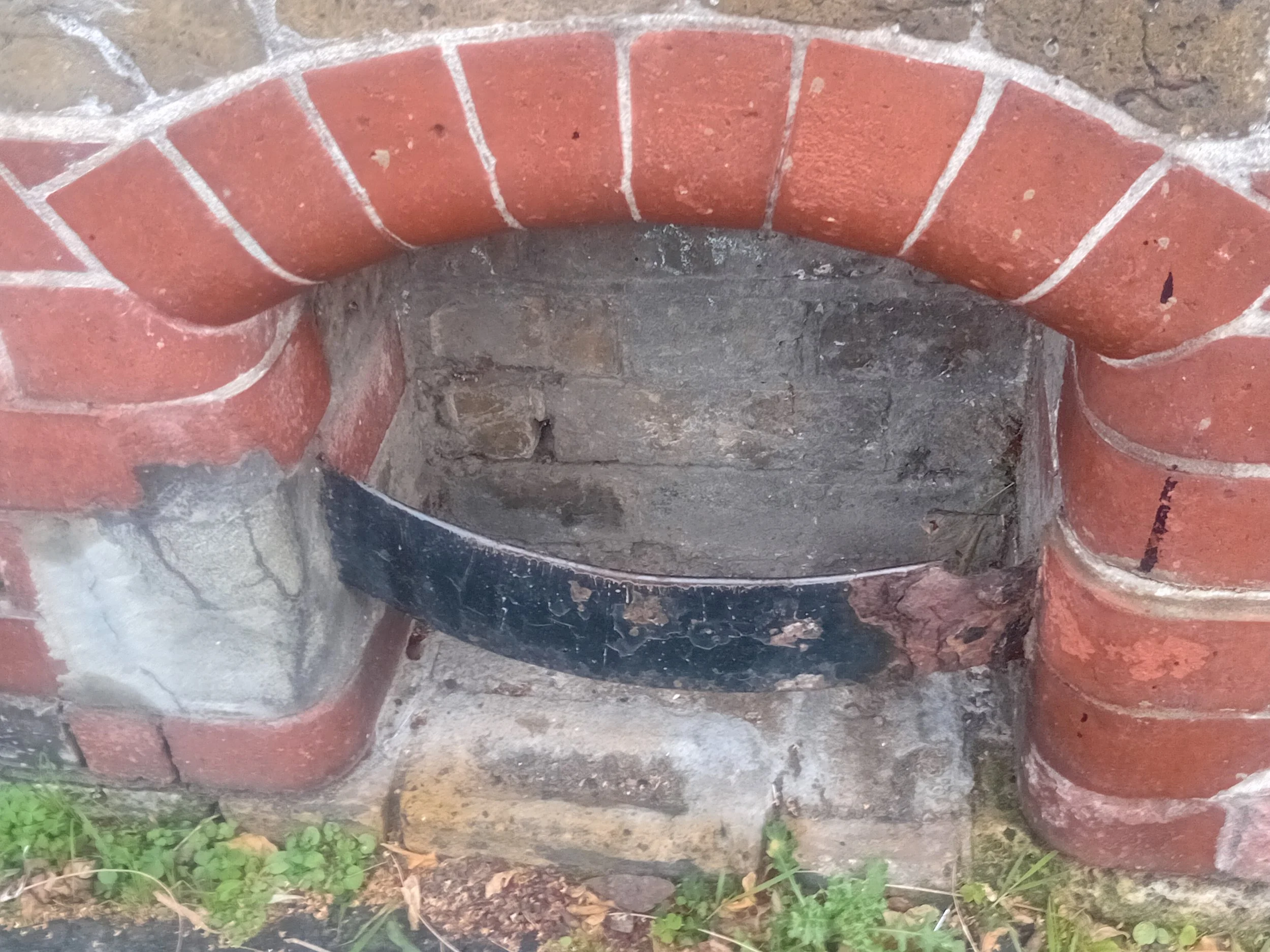
If you visit our building, look out for the brown wall tiles which can still be seen in their original state in the staircases. Here you can also find interesting diamond shaped hollows, which indicate the position of the original gas lamps. On the playground by the entrance doors, you can see the old boot-scrapers that children would have used to clean their shoes before entering the building.
Hotham is lucky to have a number of additional buildings on the site, and visitors often enquire about their original purpose. Next to the reception classrooms you can find the old caretaker’s cottage. For many years the caretaker would have lived on site, and more recently it housed young teaching staff early in their career. More recently it has been renovated to provide an additional learning and meeting space.
The annexe building is like a miniature school building towards the rear of the school playgrounds. It originally housed the laundry and housewifery centre, which was used by the girls attending the junior school. Subsequently it was used for adult education in pottery and cookery. After a period of time in disrepair, the school is currently raising money to bring the space back into use for the children and community.
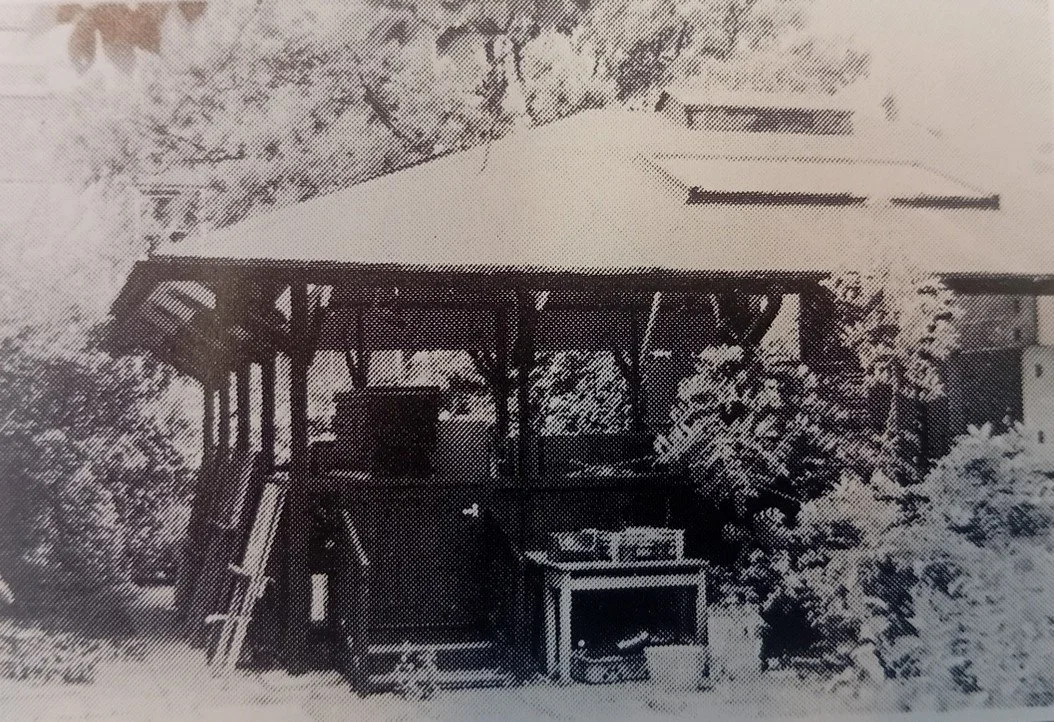
The pavilion or ‘outdoor classroom’ sits within the secret garden and has been a feature of the school grounds since it was built in 1938. Originally it didn’t have walls, and children who were thought to benefit from the fresh air for medical reasons were educated there! These days the space is used to support outdoor learning in our nature area.
A few interesting facts…
The school has had a ship symbol for many years. It is thought that this alludes to Admiral William Hotham (1736-1813), after whom Hotham Road (and therefore Hotham School) is named.
On 18th February 1920, Queen Mary and her daughter, Princess Mary, visited Hotham School, during which the children sang her the national anthem.
During the Second World War, Hotham School was used as an auxiliary fire station. The children and their teachers were evacuated to a school in Tilehurst near Reading.